Details of the product
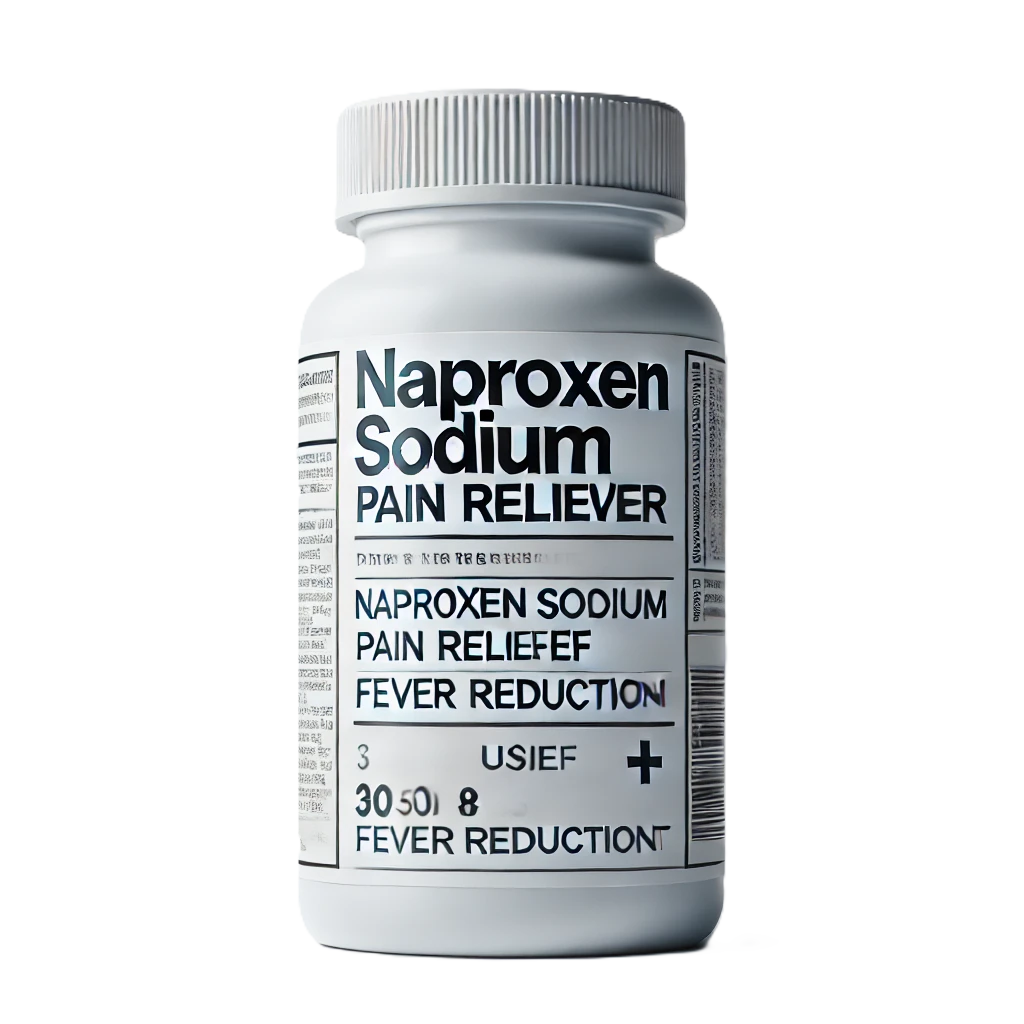
Diclofenac
COMMON BRAND(S): Aleve, Anaprox,
GENERIC NAME(S): Diclofenac Sodium
GENERIC NAME(S): Diclofenac Sodium
$25.00 /30 Tablets
Instructions of the product
Diclofenac commonly prescribed to manage pain caused by conditions like headaches, muscle discomfort, tendonitis, dental issues, and menstrual cramps. It also addresses swelling, joint stiffness, and pain related to arthritis, bursitis, and gout episodes. This medication, classified as a nonsteroidal anti-inflammatory drug (NSAID), works by limiting your body's production of natural chemicals that trigger inflammation.
If you are treating a chronic condition such as arthritis, ask your doctor about non-drug treatments and/or using other medications to treat your pain.


Check the ingredients on the label even if you have used the product before. The manufacturer may have changed the ingredients. Also, products with similar names may contain different ingredients meant for different purposes. Taking the wrong product could harm you.
How to use Diclofenac Sodium
If you are taking the over-the-counter product, read all directions on the product package before taking this medication. If your doctor has prescribed this medication, read the Medication Guide provided by your pharmacist before you start taking Diclofenac and each time you get a refill. If you have any questions, ask your doctor or pharmacist.


For certain conditions (such as arthritis), it may take up to two weeks of taking this drug regularly until you get the full benefit.
If you are taking this drug "as needed" (not on a regular schedule), remember that pain medications work best if they are used as the first signs of pain occur. If you wait until the pain has worsened, the medication may not work as well.
If your condition lasts or gets worse, or if you think you may have a serious medical problem, get medical help right away. If you are using the nonprescription product to treat fever, consult the doctor right away if the fever worsens or lasts more than 3 days.
Uses
Diclofenac commonly prescribed to manage pain caused by conditions like headaches, muscle discomfort, tendonitis, dental issues, and menstrual cramps. It also addresses swelling, joint stiffness, and pain related to arthritis, bursitis, and gout episodes. This medication, classified as a nonsteroidal anti-inflammatory drug (NSAID), works by limiting your body's production of natural chemicals that trigger inflammation.
If you are treating a chronic condition such as arthritis, ask your doctor about non-drug treatments and/or using other medications to treat your pain.
Check the ingredients on the label even if you have used the product before. The manufacturer may have changed the ingredients. Also, products with similar names may contain different ingredients meant for different purposes. Taking the wrong product could harm you.
How to use Diclofenac Sodium
If you are taking the over-the-counter product, read all directions on the product package before taking this medication. If your doctor has prescribed this medication, read the Medication Guide provided by your pharmacist before you start taking Diclofenac and each time you get a refill. If you have any questions, ask your doctor or pharmacist.
For certain conditions (such as arthritis), it may take up to two weeks of taking this drug regularly until you get the full benefit.
If you are taking this drug "as needed" (not on a regular schedule), remember that pain medications work best if they are used as the first signs of pain occur. If you wait until the pain has worsened, the medication may not work as well.
If your condition lasts or gets worse, or if you think you may have a serious medical problem, get medical help right away. If you are using the nonprescription product to treat fever, consult the doctor right away if the fever worsens or lasts more than 3 days.